
Abbeville County Unclaimed Money Search
Abbeville County residents may have unclaimed money held by the South Carolina State Treasurer's Office waiting to be returned. These unclaimed funds come from old bank accounts, uncashed checks, forgotten utility deposits, and other abandoned property. The state holds this money indefinitely until the rightful owner comes forward. Searching is free and takes only a few minutes. Anyone with a connection to Abbeville County — past or present — should search the statewide database to check for unclaimed accounts in their name.
Abbeville County Quick Facts
How Abbeville County Unclaimed Money Works
When a financial institution, utility company, or other business loses contact with an account holder in Abbeville County, they must follow South Carolina law. After a set period of inactivity — typically five years for most accounts — the holder reports the unclaimed funds to the state and transfers the balance to the State Treasurer. The property is then listed in the public database under the owner's last known name and address.
The State Treasurer's Office holds these unclaimed accounts without any time limit. There is no deadline to file a claim. Whether the original account was opened decades ago or just a few years back, the money remains available. Abbeville County residents can search by name, business name, or last known address to find accounts that may belong to them or a deceased family member.
South Carolina Treasurer Curtis Loftis has returned more than $420 million in unclaimed property to residents since 2011. The program recovers an average of tens of millions of dollars each year for people who did not know they had funds waiting.
The South Carolina unclaimed property search tool is the official starting point for any Abbeville County search. Enter a first and last name, and optionally add a city to narrow results. The site updates daily and allows you to track a submitted claim using a unique Claim ID number.
Abbeville County Government and Unclaimed Funds
The Abbeville County government administers its own financial accounts alongside state-level unclaimed property programs. County Treasurer Jake Devore manages county tax collections and financial records for Abbeville County. County Auditor Faith Line handles property assessments and related financial matters. These local offices interact with the state system when county-held funds become dormant.
The official Abbeville County government website serves as a starting point for residents who need to contact local financial offices directly.
The county website provides contact information for the Treasurer, Auditor, and other departments that handle public funds in Abbeville County.
SC Code Title 4, Chapter 11 governs how county-level unclaimed funds are handled. Under these provisions, county officers keep financial accounts open to public inspection. When county-held funds go unclaimed after the required period, they are reported and transferred to the State Treasurer. Any person who believes they have a right to county-held unclaimed funds may establish that right through the Court of Common Pleas. This provides an additional layer of protection beyond the standard statewide claim process.
Note: Abbeville County unclaimed bail bonds held three years after bond conditions have been fully performed are presumed abandoned under South Carolina law and are reported to the State Treasurer.
Clerk of Court Records in Abbeville County
The Abbeville County Clerk of Court, Shandal Boggs, plays a role in unclaimed money by handling court-held funds and bail bonds that go dormant. The Clerk of Court can be reached at (864) 366-5312. Court clerks are required by state law to report abandoned property — including unclaimed court deposits and bail bonds — to the State Treasurer each year.
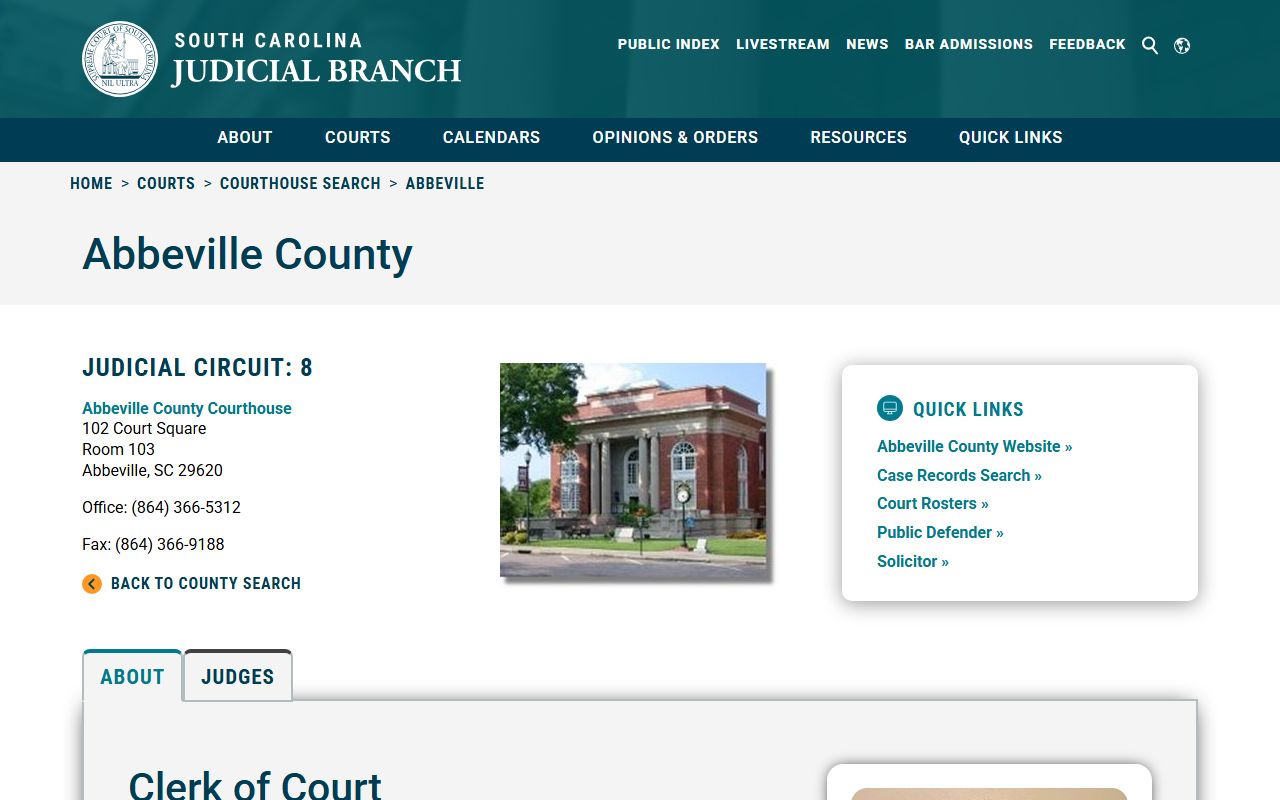
The Clerk of Court office in Abbeville County also maintains records relevant to estate proceedings, which can surface unclaimed inheritance funds or uncashed estate checks.
If you believe a court proceeding in Abbeville County resulted in unclaimed funds, the Clerk's office is the right place to start your inquiry. The office records judgments, settlements, and other financial outcomes from civil cases. Some of these result in checks that were never cashed or funds that were deposited into court accounts and never collected by the rightful party.
Note: Always confirm contact details with the Abbeville County Clerk of Court directly before traveling to the courthouse, as office hours and staff may change.
South Carolina County Unclaimed Funds Procedures
State law sets clear rules for how all South Carolina counties, including Abbeville, must handle unclaimed funds. SC Code Title 4, Chapter 11, Sections 4-11-100 through 4-11-120 outlines these county-level requirements. County officers must maintain accurate records, give public notice, and transfer dormant funds to the state within the required time frames.
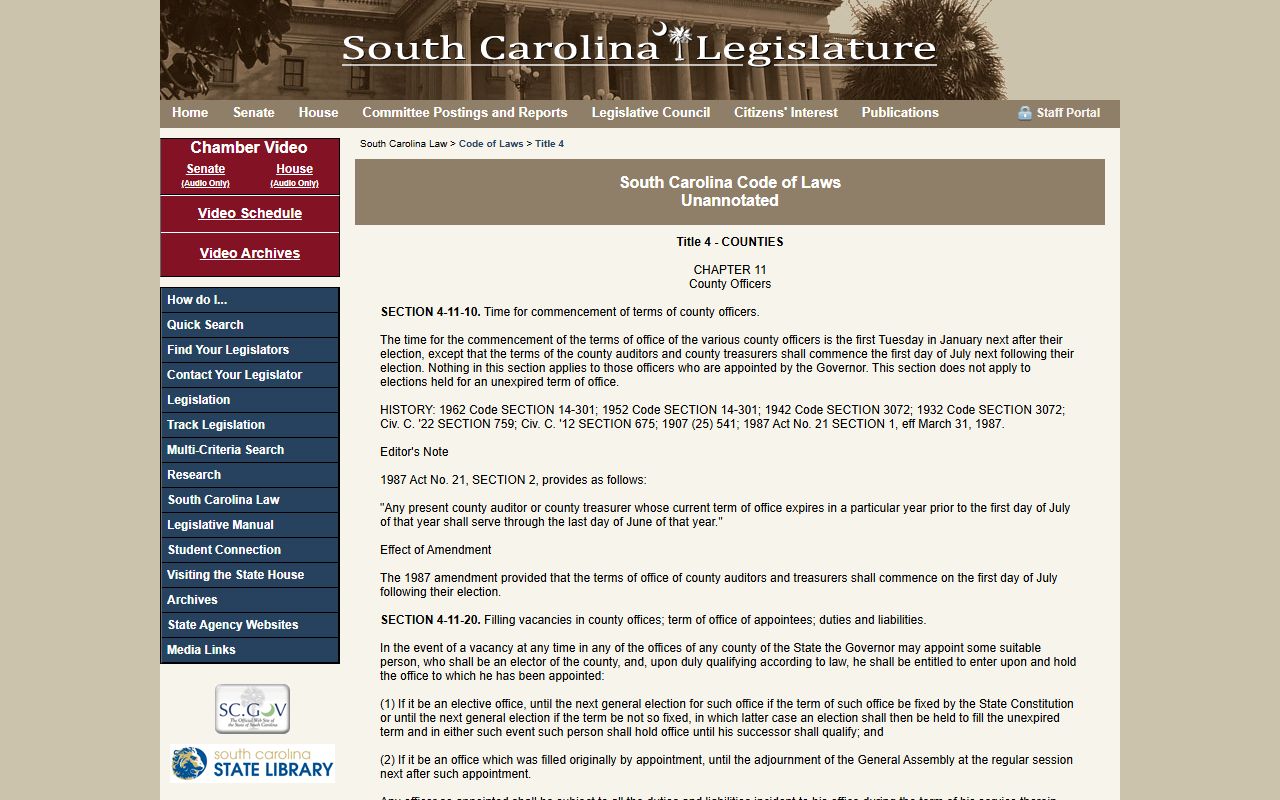
These statutes ensure that residents of Abbeville County have a clear legal path to reclaim funds that were once held at the county level.
The broader South Carolina Uniform Unclaimed Property Act (SC Code Title 27, Chapter 18) governs the state's overall unclaimed property program. Under this act, different property types have different dormancy periods before they are reported to the state. Most accounts become reportable after five years of inactivity. Wages and payroll checks become reportable after just one year. Utility deposits also become reportable after one year. Money orders have a seven-year dormancy period, and travelers checks have a fifteen-year dormancy period before they must be reported.
Holders who fail to report and remit unclaimed property can face penalties under state law. Businesses operating in or near Abbeville County — including local employers, utilities, and financial institutions — are responsible for identifying dormant accounts and following the reporting procedures.
How to Search and Claim Abbeville Unclaimed Property
The process for claiming unclaimed money tied to Abbeville County is straightforward. Visit the official South Carolina search portal and enter your name. You can include a city like Abbeville or Calhoun Falls to focus results on your area. The system will display any matching accounts along with the property type, reported amount range, and the name of the original holder.
Once you find a match, click to begin the claim process. You will need to verify your identity and provide documentation showing your connection to the property. For common claims, a government-issued ID and proof of your former address are usually enough. For claims on behalf of a deceased relative, you may need estate documents or a death certificate.
The South Carolina unclaimed property FAQ page answers common questions about what documentation is needed and how long processing takes. After submission, you can use the Claim ID to check your claim status online at any time.
There is no cost to search or claim. The State Treasurer's Office does not charge fees for processing claims. Be cautious of any third-party service that charges a fee to search the public database or submit a claim on your behalf, as you can do both for free.
Dormancy Periods for Abbeville Unclaimed Accounts
Not all unclaimed property types become reportable at the same time. The South Carolina dormancy table shows the exact waiting period for each property category. Understanding these periods helps Abbeville County residents know when to expect dormant accounts to appear in the state database.
Most bank accounts, including checking, savings, and certificates of deposit, follow the standard five-year dormancy period. Stock accounts and mutual funds also generally follow a five-year rule. Wages and payroll checks are treated differently — employers must report unclaimed payroll after just one year of inactivity. Utility deposits from local providers also become reportable after one year.
The dormancy period does not mean the money disappears. It simply marks the point at which the holder is required to transfer the funds to the state. Once transferred, the property stays in the state's database indefinitely. An Abbeville County resident can claim property that was reported to the state decades ago as long as they can prove ownership.
Note: The annual reporting deadline for holders is November 1, after which the state processes incoming property and adds new records to the searchable database.
Federal and Court-Held Unclaimed Funds Near Abbeville
Beyond the state system, some unclaimed money connected to Abbeville County residents may be held at the federal level. The US District Court for South Carolina holds unclaimed funds from bankruptcy cases. These funds come from cases where a settlement or distribution check was issued but never cashed by the creditor or claimant. You can contact the court at 803-765-5436 to inquire about potential funds from bankruptcy proceedings.
Federal tax refunds and uncashed federal checks represent another category of abandoned funds that are separate from the state's unclaimed property program. The IRS and other federal agencies manage their own processes for returning uncashed payments. Residents of Abbeville County who believe they are owed a federal refund or payment should contact the relevant federal agency directly.
For local municipal entities, the Municipal Association of South Carolina provides guidance to cities and towns on how to report unclaimed property. This ensures that even small municipal accounts from towns like Calhoun Falls, Donalds, and Due West are eventually transferred to the state system.
Cities in Abbeville County
Abbeville County includes several small communities. Residents of Abbeville, Calhoun Falls, Donalds, and Due West can search by city name in the state database to find unclaimed accounts tied to local addresses. If you need to research records in person, the Abbeville County Courthouse is located in Abbeville, the county seat.
Nearby Counties
Unclaimed money records for residents who have lived in multiple counties can span several jurisdictions. Search neighboring counties if you or a family member previously lived in the area.